
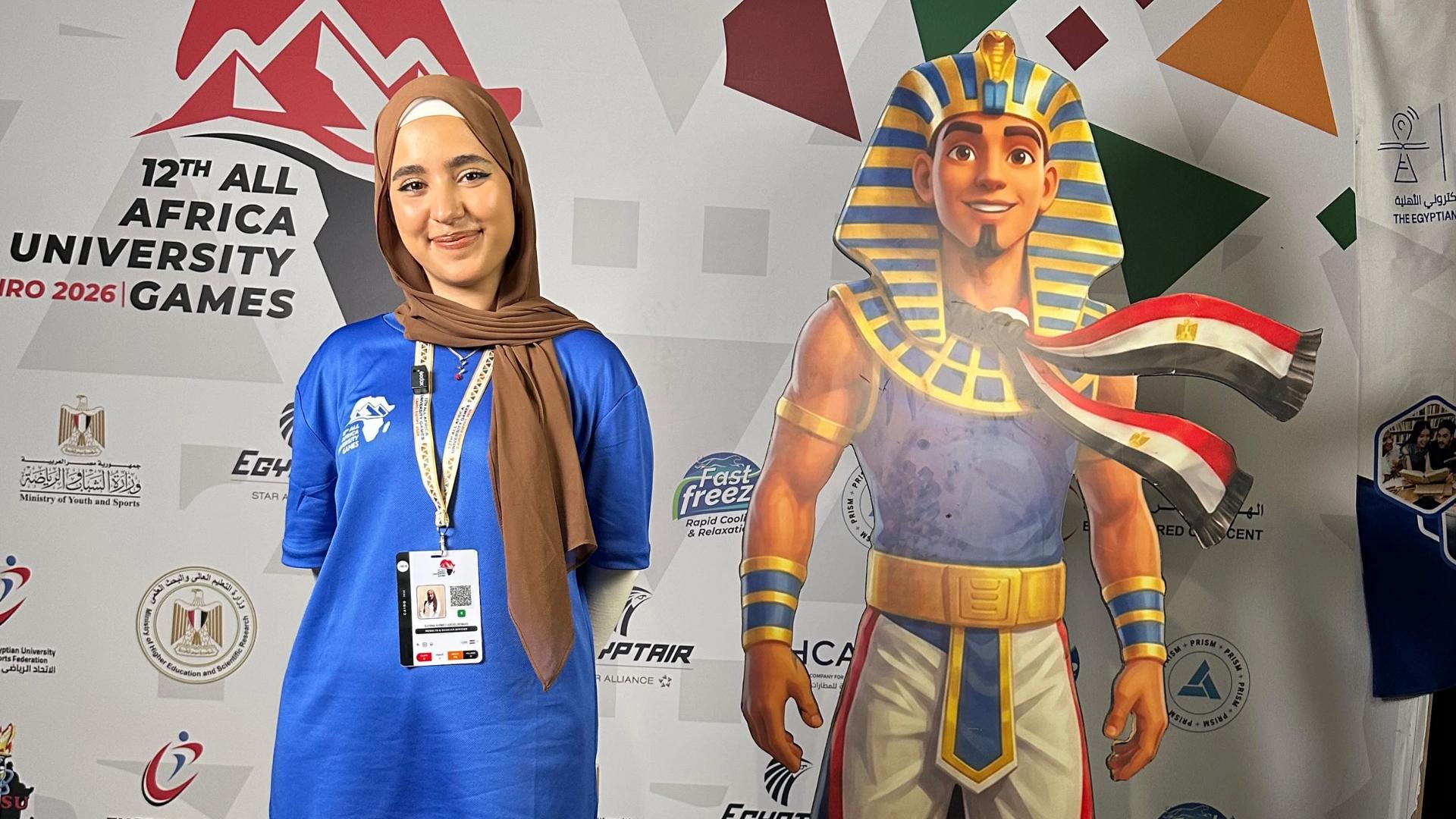
The 12th All Africa University Games held in Cairo, Egypt in September was an opportunity for volunteer, Ganna Ahmed Abdelrhman to meet people from across Africa. It also placed her behind the system responsible for delivering competition results to them.
A squash match was already moving on when Ganna Ahmed Abdelrhman decided to check the score one more time. The referees had given her the scores and she had entered them into the system. Everything appeared ready. Then she spotted the mistake. “I had checked, I was like, let's check one last time and thankfully, I discovered that it was the wrong score” she said. She corrected it before it went any further.
For most spectators and athletes at the 12th All Africa University Games, the score would simply appear on their phones through the Games' mobile application. However in the case of Ganna, a fourth-year English Language student at MSA University, Egypt; getting those scores right was part of her responsibility as a Results and Scoring Officer. It is a role that can easily disappear into the background. There is no medal ceremony attached to it, no athlete waiting for an interview and no crowd applauding when the job is done correctly but accuracy in this area mattered to the successful running of the games.
The moment in the squash venue was small in a Games filled with hundreds of competitions and countless results. Yet it captured the responsibility attached to Ganna's role. When people depend on information being correct, there is little room for assumption.
THE WORK BEHIND THE SCENES
Ganna was introduced to the volunteering opportunity at Cairo 2026 after being recommended by her university. But the reason she applied had little to do with scores or sports administration. She simply wanted to meet people. “I personally love meeting people from different cultures and making new friends" she said.
She was also curious. Although Egypt is part of Africa, she had never travelled to another African country before the Games. The arrival of athletes, officials and volunteers from across the continent offered her an opportunity to experience those differences firsthand.
What she encountered went beyond what she expected. “I definitely expected something way less” she said. “I didn't expect it to be this perfect”. She was impressed by the quality, organization of the Games and the willingness of people from different countries to help one another communicate. She was particularly proud to see Egypt host the continental event in that way.
Behind the competition was a large volunteer operation. Egyptian university students and graduates were recruited to support the organisation and logistics of the Games, with volunteers expected to undergo training and remain available throughout the event.
Ganna was one of those students. Her days began at 6am. After breakfast, she would leave by 7am for the campus assigned to her according to the day's schedule. From there, she would report to her venue and follow the sport she had been assigned to cover. Her responsibility was straightforward in description but demanding in execution: receive the scores, enter them correctly and ensure they appeared on the Games application.
Thereafter, she would have lunch, continue her work and later spend time with the friends she had made from other countries.
“We do not sleep" she joked. But the long hours were not what she considered the most difficult part of her time at the games. According to her, it was the level of responsibility entrusted to her.
Some volunteers were responsible for people arriving from countries they had never visited and who might not speak Arabic. That meant helping with meals, accommodation, safety and other practical needs.
Ganna's responsibility was different but the same principle applied. People trusted the information she entered, which was why the unnoticed details mattered. “My colleagues and I were focused on being very perfect, very precise and we cared about every detail” she said.
FROM STRANGERS TO FRIENDS
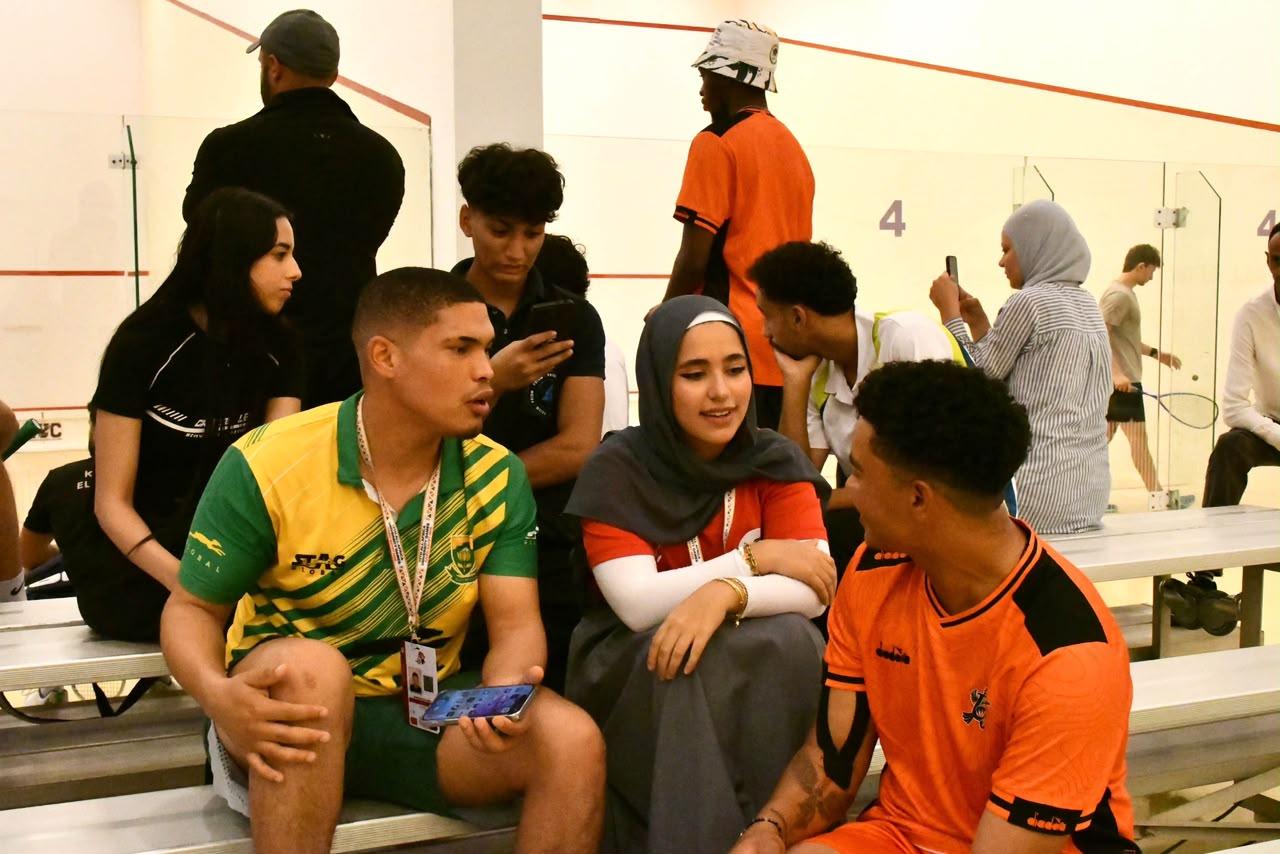
Ganna's experience of Cairo 2026 was not defined only by her responsibilities and work. The people she met became an important part of it. “As time went by, it felt like I was working with my friends and not like my colleagues or athletes" she said of the non-Egyptian participants she met.
Some of her most memorable moments happened away from the competition venues. One night, she went to Khan el-Khalili with friends from Kenya, Uganda and Nigeria. They walked through the bazaar, laughed together and bought souvenirs.
She also joined them on a Nile cruise, where music, dancing and conversation offered a different kind of memory from the long days at the venues.
Her view of the continent also changed in small but profound ways too. She spoke particularly warmly about the South Africans she met, saying her conversations with them gave her a new appreciation of the country and its beauty. But the lesson she said she would remember most was simpler. “Being kind is free. You can just be kind just for being kind” she said.
WHAT THE GAMES TAUGHT HER
Watching athletes compete also gave Ganna a different kind of viewpoint in sports. She was not competing herself but she was close enough to see what happened around the results.
One moment that stayed with her was seeing an athlete finish second. She had watched the disappointment up close and understood something she had not necessarily considered before: finishing second can hurt precisely because first place was so close.
“I've seen it with my own eyes, the disappointment when you get so close to winning but end up in second place" she said.
Being able to contribute to the execution and operations of the Games offered Ganna a different way of seeing sports. She was observing the emotions behind results rather than simply the numbers that eventually appeared on a screen.
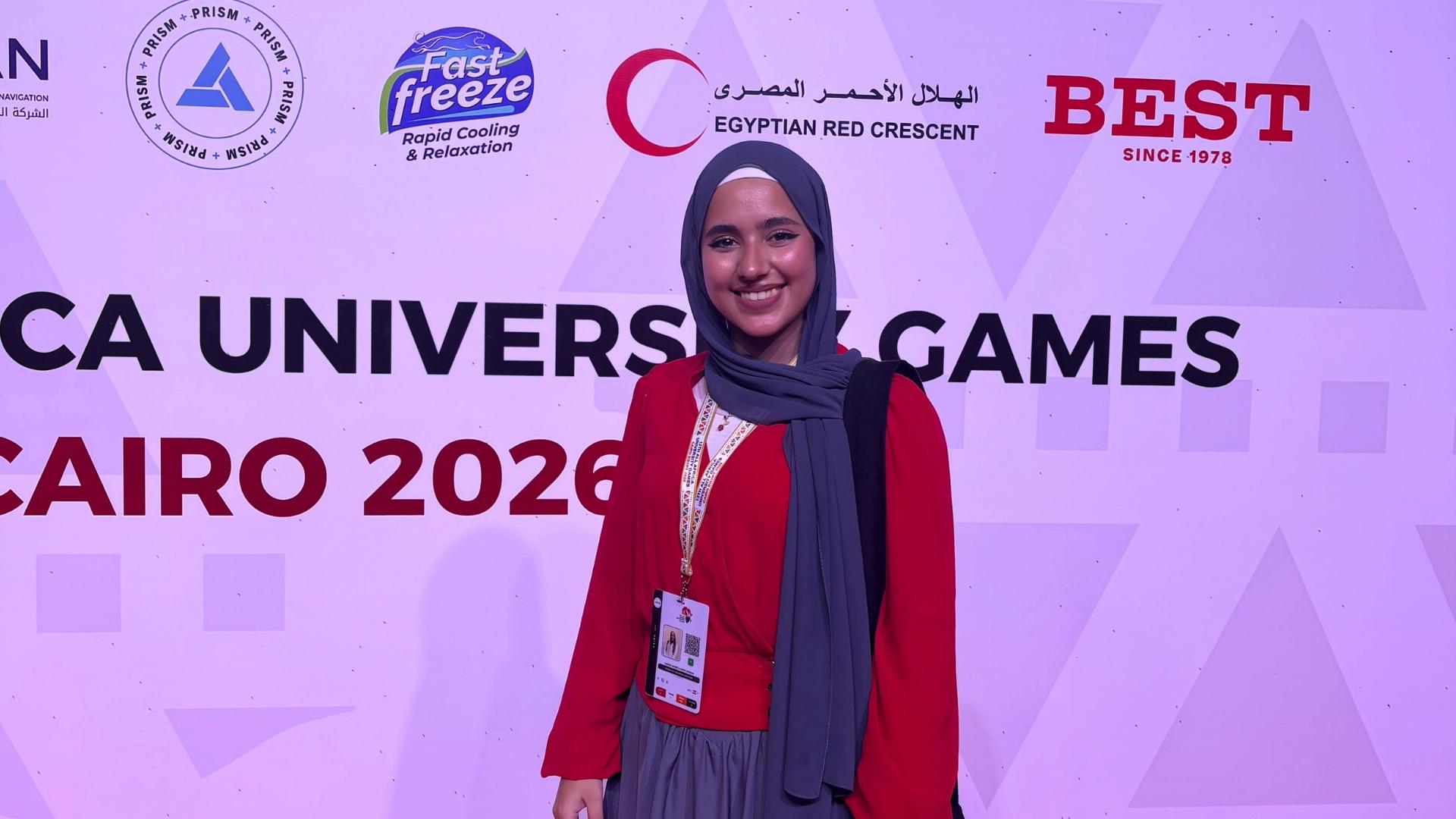
A score could be only a few digits on a mobile application. However, behind it were athletes who had spent months preparing and for whom the difference between first and second could mean everything.
Volunteering at the games also gave Ganna an opportunity to practise her English outside the classroom. As an English Language student, she said communicating with people from different backgrounds had given her practical experience in using the language and interacting with people from different cultures.
She came to work at the games because she wanted to meet people from across Africa. Along the way, she became one of the people responsible for making sure the rest of the continent could follow what was happening on the field of play.
Her work may have been largely invisible to the spectators who saw the results on their phones. But every correct score was part of the larger technical operation that allowed Cairo 2026 to function.
And after the early mornings, long days, volunteering duties and new friendships, Ganna left the Games with a lesson that has little to do with sport.
“Being kind is free".
Comments are provided by Disqus and require optional cookies.