

- Name
- AMH Editorial
- @allinewsnigeria
The exclusion of Obafemi Awolowo University’s female football team, OAU Giantess, from the university’s contingent for the 2026 West African University Games has taken another turn after the Director of Sports, Dr R. Ogunlusi, publicly offered reasons for the decision that differ from the explanation understood by members of the team.
The controversy began in early September when Giantess captain Kenny Grace Kuje informed members of the team that the University Sports Council had decided to remove the female football team from the list of teams to be registered for WAUG.
In the message shared with the players on September 10, Kuje described the decision as “unpalatable” and confirmed that the team would no longer participate in the Games. The captain, however, was careful not to publicly state the reason.
“I would have added the reason here, but it’s not something nice to say, so if you want to know what the cause is, you can personally come to my DM,” she told the players.
When subsequently contacted by ACJOAU, Kuje maintained the same cautious position, explaining that the team was still trying to understand the circumstances surrounding the decision.
“There has indeed been an issue regarding the participation of some female teams in the upcoming WAUG Games,” Kuje said. “We are currently taking the appropriate steps to understand the situation and clarify the circumstances surrounding the decision, and I would prefer to be careful with the information I share, as the situation is still a sensitive matter, and I would not want to give an inaccurate impression or speak beyond what has been officially communicated to us.”
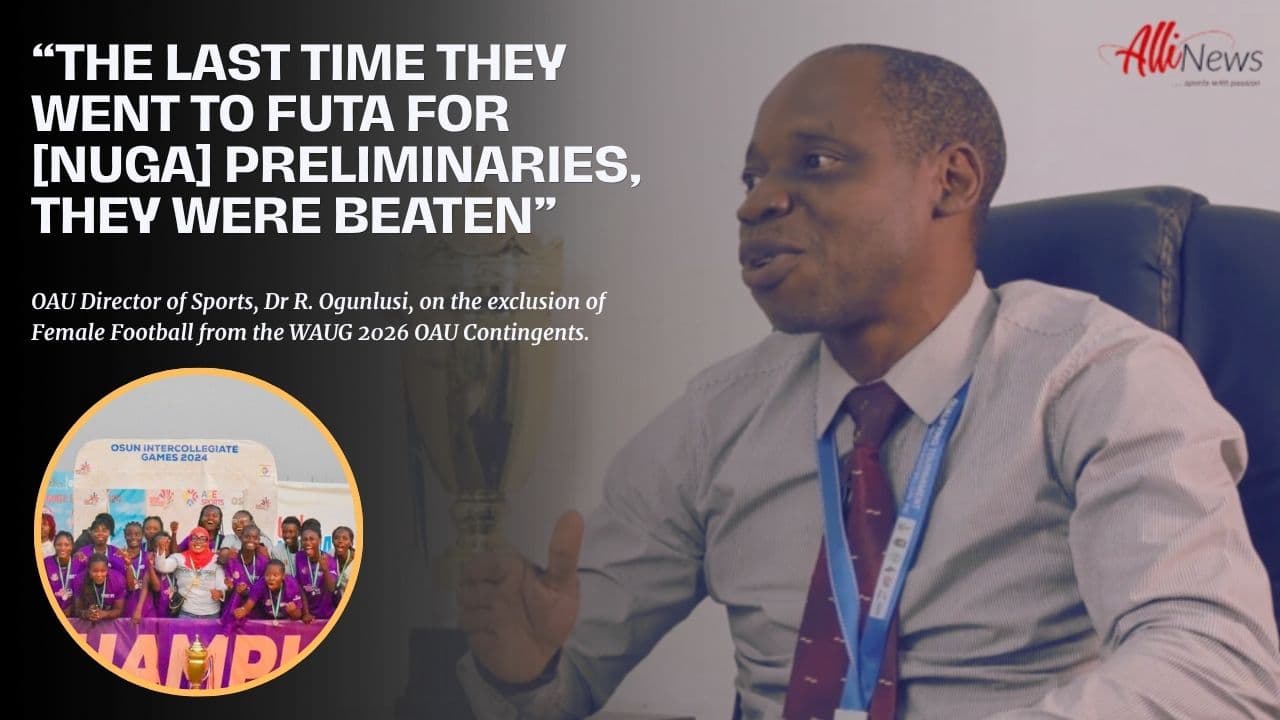
That account clearly contrasts with the explanation subsequently offered by the Director of Sports. According to the ACJOAU report, Dr Ogunlusi said the female football team was the only group from the university’s contingent that was not picked and attributed the decision to the team’s past record, competitiveness and level of preparation.
“The reason for it was because of antecedents, as they don’t have a solid team and they have not really been training,” he said.
The Director’s explanation differs from the account understood by the players. According to Giantess player Semilore Grace, the team understood that funding was the reason for the exclusion. The coach, Yengibiri Henry, also recalled the official conversation with Dr Ogunlusi, saying, “the only thing I can remember vividly well was [that Dr R. Ogunlusi said] he has to cut the numbers of athletes down due to financial reasons.”
As presented publicly, the two accounts do not fully align, leaving an important question at the centre of the issue. Was the team excluded because of its sporting standard, because of funding, or because of a combination of both?
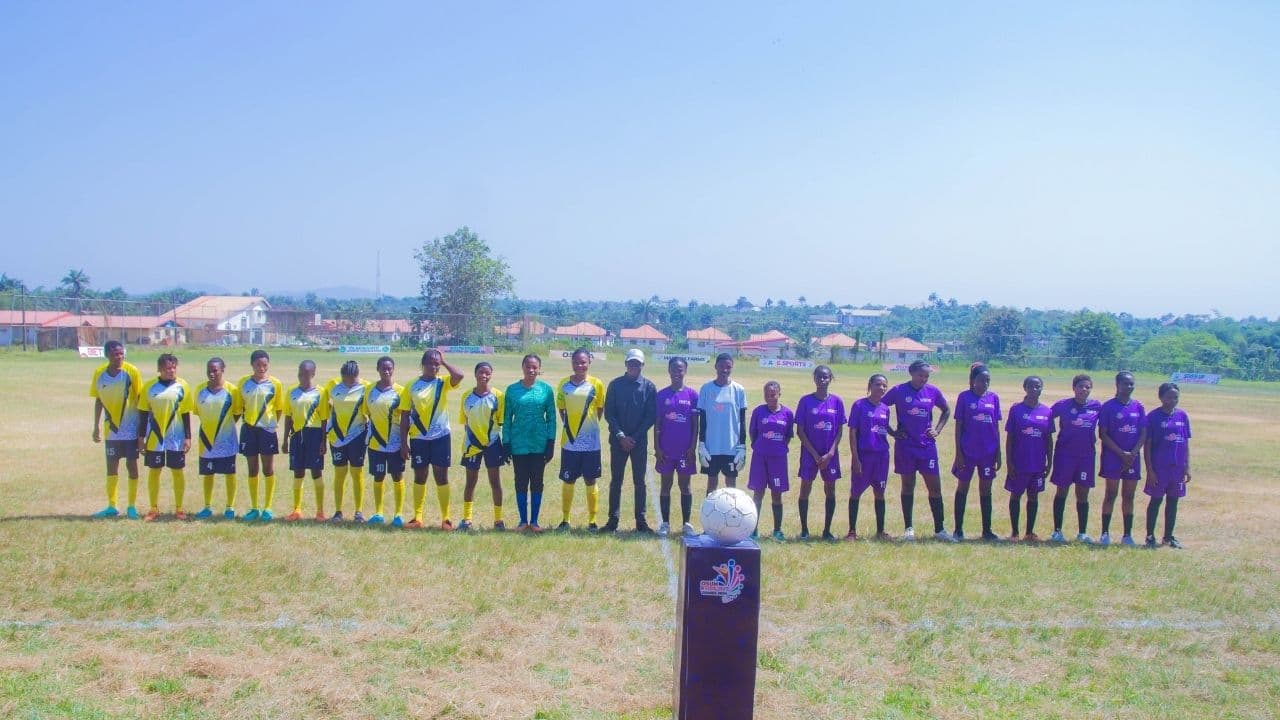
The Question of Preparation
The difference in accounts becomes more significant when the Director’s comments about the team’s preparation are considered. Dr Ogunlusi said the Giantess “have not really been training", while Grace told ACJOAU that the team had been preparing for WAUG “since the beginning of the year".
Both statements could theoretically coexist if the disagreement is over what qualifies as adequate preparation. The players may have been training regularly, while the Sports Directorate may have considered the frequency, consistency or quality of that training insufficient. The public explanation, however, does not state what standard was used to make that assessment or how the team’s preparation was evaluated.
Some other coaches within the university have also been to their training ground, with a particular reference made to Coach Yinka, who handled the university swimming team, who came multiple times to admonish them in the months preceding the competition.
For athletes who say they had spent months preparing for WAUG, the distinction between not training and not training sufficiently is significant. There were also reports of limited access to the team’s usual training facilities in the months leading up to the Games, a matter the coach said he had escalated to the Director.
With the main bowl under repair, the men’s team moved to Training Pitch 2, which had traditionally been used by the Giantess. This ideally created a change in training schedules and moved the women’s team to share Pitch 1 with other paying customers.
Further clashes with paying customers also affected access to the facilities. The team was asked by the personnel in charge of bookings to allow other paid users access while the scheduling issue was being resolved. Even after the immediate clashes were addressed, paying customers continued to receive priority, leaving the Giantess to train at five-a-side pitches for extended periods.
This does not by itself establish that facility access was responsible for the team’s exclusion. It does, however, provide context to the question of how the team’s preparation was assessed.
The Director’s reference to the team’s “antecedents” introduces its previous record as part of the justification for the decision. The Director pointed to a specific competitive result from 2024, saying, “In fact, the last time they went to FUTA for [NUGA] preliminaries, they were beaten [0-1].”
That result is relevant, but so are the circumstances surrounding the tournament. The preliminaries took place in 2024, with the female football competition decided over two rounds. OAU’s female football team exited after failing to win its first-round tie, which was its only match of the tournament, against eventual winners Uniosun.
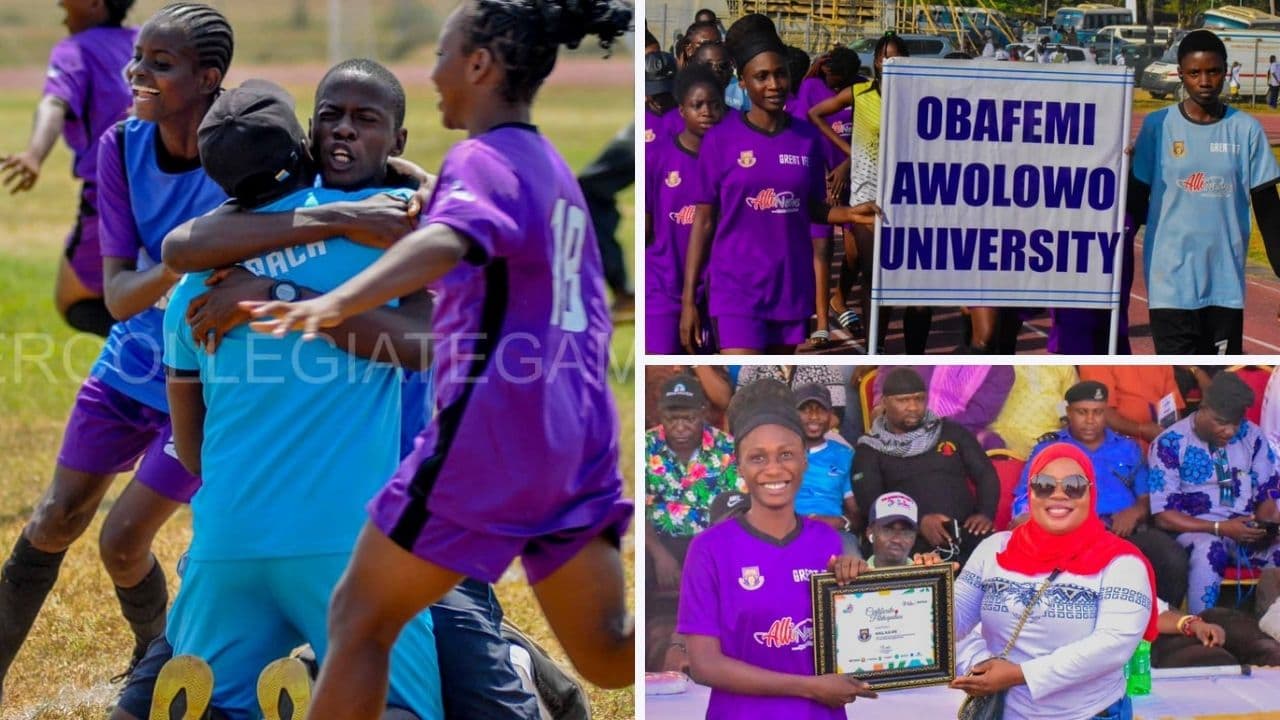
Earlier that same year, however, the team had recorded a different result at the Osun State Intercollegiate Games. The Giantess won their first medal for the University since the team was formally unveiled in 2021 and finished the tournament with five wins from six matches [including ties decided on penalties].
The claim that the Giantess “don’t have a solid team” moves the discussion directly into the sporting ability of the players. This sporting justification is, in principle, a valid basis for selection and clearly rests on the university’s assessment of the team’s readiness and competitiveness before a competition.
The question then becomes whether the same standard was applied to every team, particularly if suffering a defeat in a previous competitive game in the last two years was considered sufficient reason to exclude a team from the contingent, especially since it wasn’t only the Giantess that lost a game in Akure.
The 2024 defeat correctly establishes that OAU’s female football team suffered a setback in its most recent NUGA preliminary appearance. It does not, on its own, establish that the team had not prepared for WAUG in 2026 or that the players were incapable of competing at the Games. Those are separate conclusions.
The Director eventually brought his explanation together by saying, “So we really don’t believe they have a strong, formidable team.” That leaves another question at the centre of the decision: who made that assessment, what evidence informed it, and what criteria were used to determine that the team was not sufficiently competitive?
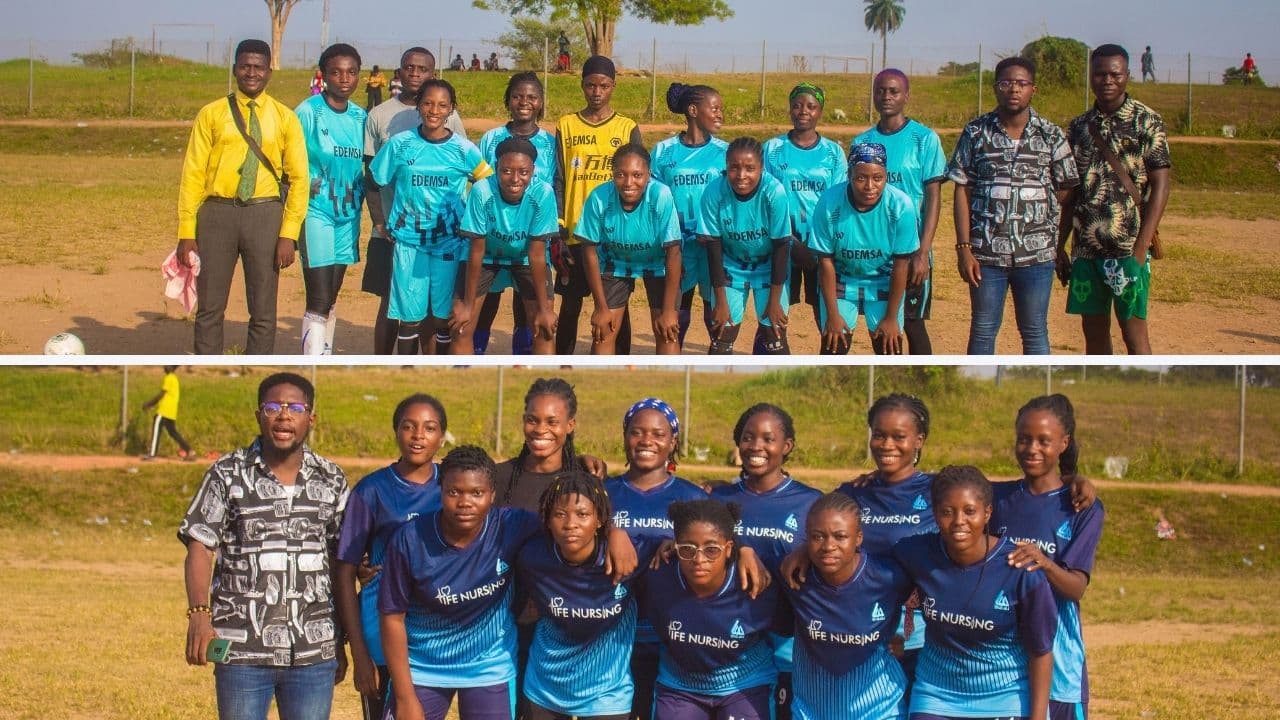
For the Giantess, the consequences extend beyond missing a tournament. “Months of training and hope [for expected participation] went down the drain a few weeks before WAUG,” Semilore Grace told ACJOAU. “We really do not feel valued at all,” she concluded.
Her words bring the human cost of the decision into focus. While the Director’s explanation treats it primarily as a sporting assessment, the players experienced the decision after months of preparing with the expectation of representing the University.
If the team was not considered sufficiently strong to represent OAU at WAUG, why was that assessment not communicated earlier instead of subjecting an entire group to many months of fruitless labour? If funding was a factor, when did the financial constraint emerge? If sporting quality was decisive, when and how was the assessment made? And if both factors influenced the decision, why did the explanation understood by the players differ from the one later given publicly? Why say first to the press what you clearly could have communicated to the leadership of the team?
There is also a broader question about the support available to the team. If the previous competitive result was a concern, what steps were taken by the Director’s office in the period between that result and WAUG 2026 to assess, develop or strengthen the team?
These questions do not remove the University’s authority to determine which teams represent OAU. Administrative positions sometimes demand difficult decisions. The questions instead concern the process by which those decisions were reached and, ultimately, communicated to the team, particularly as the accounts now begin to diverge.
Dr Ogunlusi also placed the exclusion in the wider context of OAU’s WAUG representation.
“Females and men are still well represented, as we still have over 87 females there,” he said, providing an indication of the number of female athletes from other sports within the wider delegation.
The figure provides context on the representation of female athletes in OAU’s WAUG contingent. It does not, however, explain why the account differed across separate settings or what criteria were used to determine that women’s football would not form part of the OAU contingent.
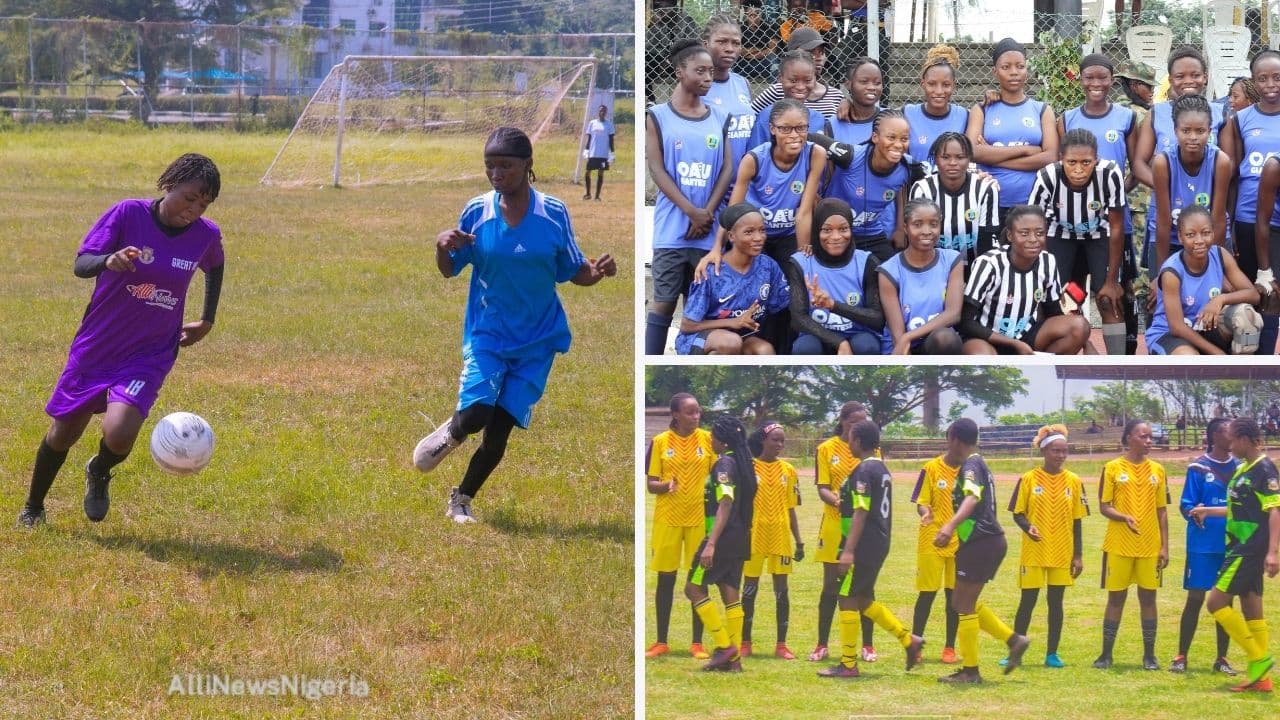
This was supposed to be a landmark year for the Giantess project. The vision began in 2016 and has grown over the years through the unpaid work, passion, commitment and persistence of the people who have kept the team going. The West African University Games was expected to be another important step in that journey, so much so that AlliNews had already begun arrangements for a sponsored documentary documenting the team’s preparation and journey to and through the competition.
The University formally adopted and unveiled the team in 2021. Five years after that formal unveiling, the Giantess have played only seven competitive fixtures, winning four and losing three. Beyond those matches, the team has also played more than 20 friendlies, with over 80% ending in wins.
Even in the final weekend before the WAUG decision, the players were still preparing, winning an indoor training match against an Under-15 boys’ side as part of their preparations for a competition they would ultimately not attend.
AlliNews has followed the development of female football around OAU and in Osun, particularly at a time when opportunities for competitive intercollegiate women’s football remain even far more limited. Within that environment, the Giantess has provided a platform for female players even [in the Ife community] to train and compete.
The circumstances surrounding their exclusion from WAUG therefore raise questions that extend beyond one tournament. The Director’s comments explain the University’s stated position, but rather than settling the issue, they leave important questions about the decision-making process unanswered.
For a team that had spent months preparing for what was expected to be an important milestone, the timing and explanation of the decision matter. The University and Sports Council reserves the authority to decide which teams would represent OAU.
However, given the conflicting reports from the epoch office, a clearer account of how the Giantess was assessed, why they were excluded and when that decision was reached might help resolve the questions that remain.
Women's football at the collegiate level is still a growing vision and is just beginning to take root. Publicly diminishing a reputable team like the OAU Giantess that has represented the University and won honours in her name is hardly a constructive approach to sports administration, particularly when the objective should be to develop, support and improve the teams under its care.
AlliSports newsletter
Sharp reporting, match updates, interviews and original analysis from Nigerian and African sport.
No spam. Unsubscribe anytime. Read our privacy policy.
Comments are provided by Disqus and require optional cookies.